Main Website

Join our Newsletter to find out first about the Job Openings!

Is Your “Senior” Title Just a Name? 7 Bright Ideas Stay Sharp and Relevant

Last Updated: March 20, 2026

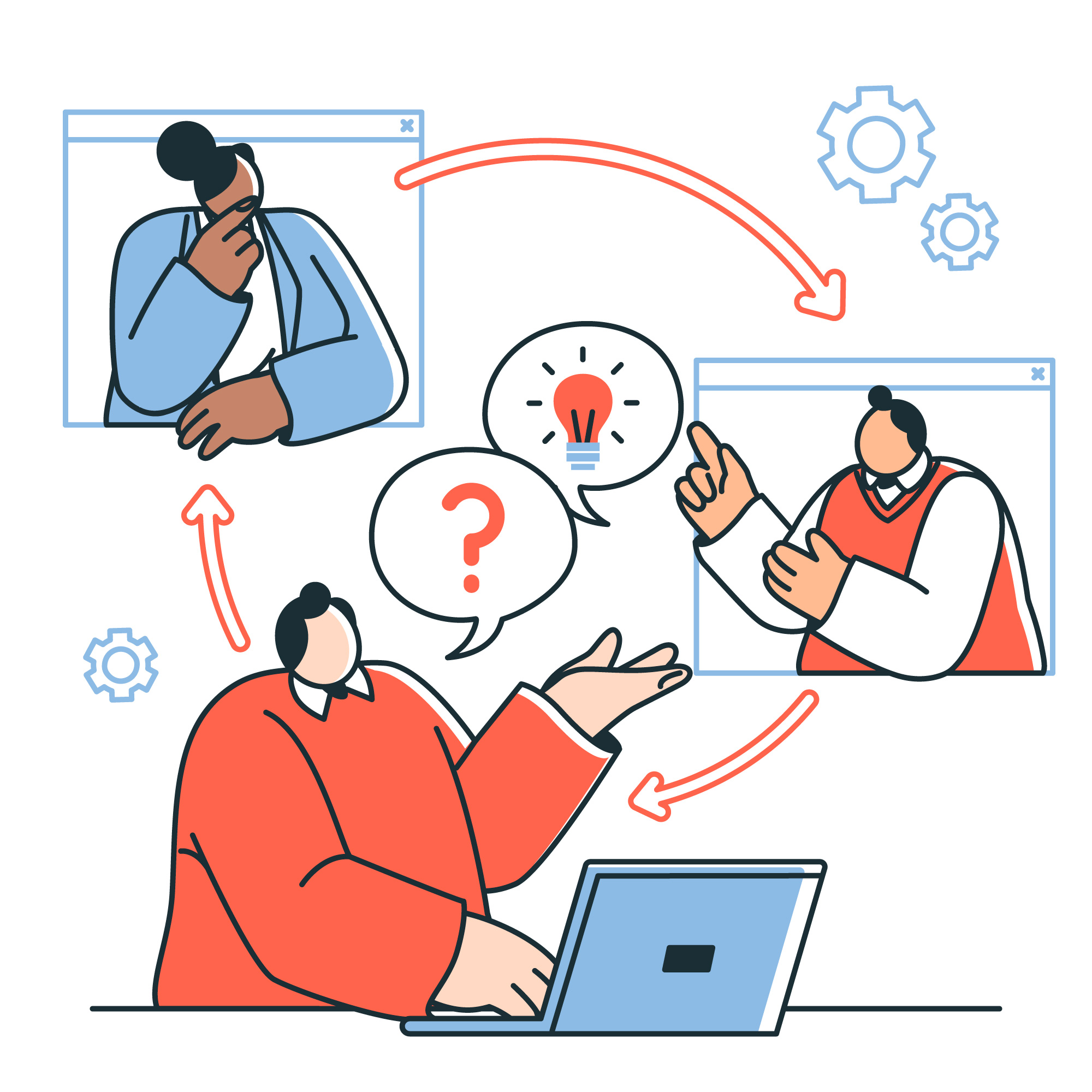
Breaking through the growth ceiling is a challenge many senior professionals face—but few actually conquer. You’ve earned the “Senior” title. Congrats! But let’s be honest—does it still challenge you, or has it become a cozy label that hides a deeper truth?

In today’s fast-evolving work landscape, a title alone won’t keep you relevant. Whether you’re a developer, marketer, designer, or strategist, continuous learning is no longer optional—it’s the only way to stay competitive and lead effectively.

Think about it. What got you to the senior level isn’t going to keep you there. The tools, mindsets, and frameworks that once made you stand out could be outdated tomorrow. And let’s not forget the younger professionals who are constantly learning, adapting, and hungry to rise. The competition is real—and it’s not slowing down.

So, what separates senior professionals who continue to grow from those who quietly fade into irrelevance? Intentional learning, meaningful contributions, and the ability to evolve alongside their industry.

In this article, we’ll explore 7 bright ideas to stay sharp and relevant and prove your seniority through action, not just a LinkedIn headline.

Is Your Senior Title Just a Name? 7 Bright Ideas Stay Sharp and Relevant - Inside WPRiders Article

What Does It Really Mean to Be “Senior”?

1. Beyond Years of Experience

Seniority is often equated with how long you’ve worked in a field. But true seniority isn’t about time—it’s about transformation and impact.

  • Do you drive strategy or just execute tasks? Senior professionals are expected to make strategic decisions, not just follow orders. If you’re still waiting for direction, it might be time to level up.
  • Are you mentoring others or still asking for direction? Seniority involves sharing knowledge, building others up, and being a sounding board for your team.
  • Are you building systems or simply working within them? If you’re just following the playbook instead of creating or optimizing it, you may not be living up to your title.

True seniority means shifting from being a doer to being a decision-maker, a mentor, and a force multiplier.

2. When Titles Become Traps

Sometimes, the worst thing that can happen to your career is getting promoted without evolving. It feels like a win—until you realize you’ve stopped growing.

  • The “Senior” title can breed complacency. You assume the hard work is done, and now it’s time to coast.
  • You stop learning because the role no longer demands it. But in reality, every role should demand continuous learning.
  • You coast, not climb. You lose the hunger that got you to this level in the first place.

Holding onto a title without evolving turns it into a trap—a comfortable corner that slowly shrinks your ambition and relevance.

Real seniority isn’t about where you’ve been. It’s about how much further you’re willing to go.
Is Your Senior Title Just a Name? 7 Bright Ideas Stay Sharp and Relevant - Inside WPRiders Article

The Growth Ceiling: What It Is and Why It Matters

3. Recognizing the Ceiling

The growth ceiling is that invisible barrier that stalls your progress.

  • Promotions dry up.
  • You feel stuck, even bored.
  • You stop receiving feedback—and stop seeking it.

This ceiling doesn’t come with a warning. It creeps in through comfort.

4. How It Sneaks Up on You

  • You rely too heavily on your existing skill set.
  • You stop asking questions.
  • You avoid discomfort, and with it, you avoid growth.

Most people don’t crash into the growth ceiling—they settle beneath it.
Is Your Senior Title Just a Name? 7 Bright Ideas Stay Sharp and Relevant - Inside WPRiders Article

Why Continuous Learning is the Only Way Forward

Continuous learning isn’t just a buzzword—it’s your survival kit. As a senior professional, your value isn’t based on what you did five years ago. It’s about what you can solve today and what you’re preparing for tomorrow.

Remember when remote work became the norm almost overnight? Or when AI started shaking up how we code, design, market, and manage? Those who were actively learning adapted fast. The rest scrambled to catch up—or never did.

Let’s be clear: being senior doesn’t mean you have to be the smartest person in the room. It means being the most adaptable, the most resourceful, and the most forward-looking.

5. The Market Moves. So Should You.

Technology evolves. Customer needs shift. Entire industries transform in months.

If you’re standing still, you’re falling behind.

  • Designers: New tools like Figma, AI-assisted workflows.
  • Developers: Constant framework and language updates.
  • Marketers: Changing algorithms, platforms, and consumer behavior.

To stay senior, you must stay relevant.

6. Seniority Requires Leadership, and Leaders Learn

Leadership isn’t about managing people—it’s about moving ideas forward.

  • Great leaders are curious.
  • They ask more than they answer.
  • They read. They reflect. They grow.

If you want to lead, learn first.

Is Your Senior Title Just a Name? 7 Bright Ideas Stay Sharp and Relevant - Inside WPRiders Article

7 Bright Ideas Stay Sharp and Relevant

1. Build a Personal Learning Plan

Don’t wait for a manager or company to offer training. Own your growth.

  • Block time each week for focused learning—treat it like an important meeting.
  • Choose themes: deep technical skills, improved communication, leadership development, or industry knowledge.
  • Use a mix of resources: online courses, books, podcasts, and even YouTube tutorials. Keep it manageable and consistent.

2. Read, Reflect, Repeat

Learning isn’t just about content consumption—it’s about absorption and application.

  • Keep a digital or physical journal of what you’re learning. Summarize key points and jot down questions.
  • Make connections between what you learn and your work. Can this insight improve your team’s workflow?
  • Share your insights with your team. It builds credibility and encourages a learning culture.

3. Get a Mentor or Coach

Mentorship accelerates growth by providing outside perspectives and accountability.

  • Look for mentors within your company or professional network. Choose someone whose path you admire.
  • Be specific about what you’re hoping to learn—technical skills, leadership mindset, or business acumen.
  • Schedule regular check-ins to stay on track and reflect on your progress.

4. Teach What You Learn

Want to master a concept faster? Teach it.

  • Lead a team workshop or create a simple guide for others.
  • Start writing blog posts or internal documentation. It clarifies your thinking.
  • Offer to mentor someone more junior—it reinforces your knowledge and benefits the team.

Teaching creates clarity. It’s also a great way to build influence within your organization.

5. Redefine Your Role Every Year

Senior roles should evolve. Don’t let yours stagnate.

  • Ask: What does my team or company need right now? Are there emerging gaps you could fill?
  • Redesign your responsibilities to align with future business needs. This keeps you proactive, not reactive.
  • Set a yearly “re-role” check-in with yourself or your manager.

Being adaptable is a hallmark of seniority.

6. Be the One Who Brings New Ideas

Don’t wait for permission to innovate.

  • Identify inefficiencies and propose smart solutions—then prototype them.
  • Stay up to date with industry trends and suggest relevant ideas to leadership.
  • Even small improvements can create a ripple effect across your team.

Being a source of new ideas positions you as forward-thinking and indispensable.

7. Join or Build Learning Communities

Growth is easier—and more fun—when it’s social.

  • Join Slack groups, industry-specific forums, or professional meetups.
  • Attend conferences, webinars, and virtual events to stay engaged with your field.
  • If no community exists in your org, start one: book clubs, “Lunch & Learns,” or skill-sharing circles.

Being part of a learning ecosystem will keep you sharp, supported, and always evolving.
Is Your Senior Title Just a Name? 7 Bright Ideas Stay Sharp and Relevant - Inside WPRiders Article

How Companies Benefit When Seniors Keep Growing

Less Burnout, More Innovation

When senior professionals continue to learn and evolve, they tend to experience far less burnout. Why? Because learning renews purpose. It brings energy into the role, sparking curiosity and helping experienced employees feel like contributors—not just maintainers.

Engaged seniors drive innovation. They spot opportunities, test new tools, and challenge legacy processes. They’re not just following best practices—they’re creating them.

  • They stay energized and adaptable.
  • They’re more likely to embrace change rather than resist it.
  • Their creativity fuels both personal and organizational transformation.

The Multiplier Effect

Senior professionals who continue growing become multipliers. Their development creates a ripple effect that boosts the performance of those around them.

  • Junior team members benefit from their mentorship and up-to-date insights.
  • Teams become more agile because their seniors model curiosity and experimentation.
  • Managers feel more confident delegating high-level projects, knowing their senior team is growing with the business.

In short, a senior who’s still growing isn’t just an asset—they’re a catalyst. Growth isn’t just personal—it’s contagious.

Is Your Senior Title Just a Name? 7 Bright Ideas Stay Sharp and Relevant - Inside WPRiders Article

FAQs

What does the “Senior” title really mean?

The “Senior” title often signals experience, but real seniority comes from leadership, strategic thinking, and a commitment to ongoing learning.

Why do many professionals hit a growth ceiling after becoming senior?

Because they stop actively learning, avoid feedback, and settle into routines. Without consistent challenge and development, progress stalls.

How can I tell if I’ve stopped growing in my career?

If you haven’t learned something new, taken on a stretch project, or received feedback in months, you might be stagnating.

What should I do if I feel stuck in my senior role?

Start with small steps: build a learning habit, find a mentor, take on a new responsibility, or teach what you know. Growth often begins outside your comfort zone.

Why is continuous learning critical for senior professionals?

Because industries, tools, and customer expectations change constantly. To stay relevant and lead effectively, you need to keep evolving.
Is Your Senior Title Just a Name? 7 Bright Ideas Stay Sharp and Relevant - Inside WPRiders Article

Conclusion: The Title Means Nothing Without the Growth

Having “Senior” in your job title may look impressive on paper—but what truly matters is the value you bring, the momentum you sustain, and the growth you continue to pursue.

True seniority isn’t a destination—it’s a dynamic role that evolves with your industry, your team, and yourself. It’s not about what you did five years ago, or even last year. It’s about what you’re doing today to stay sharp, useful, and inspired.

So, don’t let your title define your ceiling. Use it as a springboard. Get curious again. Ask questions. Take initiative. Embrace discomfort. Share what you learn. And most of all—keep growing.

The professionals who stay relevant are the ones who never stop evolving.

Is your “Senior” title just a name—or are you still earning it every day?

Do you like this article? Share it and send us your feedback! Check out our articles page, where you might find other interesting posts. Also, if you want to learn more about business, check out the WPRiders Blog!

Spread the love
Don't forget to subscribeReceive WPRiders' newsletter for the freshest job openings, sent directly to your inbox. Stay informed and never miss a chance to join our team!

Navigate to

Check some other articles we wrote

Read all the Articles
7 WordPress Hooks AI Assistants Keep Hallucinating - Inside WPRiders Article
6 WordPress Hooks AI Assistants Keep Hallucinating (and How to Catch Them Before Production)
TL;DR AI coding assistants invent WordPress hook names that look correct but do not exist in core, and WordPress will register the callback silently without warning you. The six most common hallucinations seen in Copilot, Cursor, Claude, and ChatGPT output are save_posts, the_content_filter, pre_get_post, wp_init, wp_login_user, and woocommerce_order_completed. Verify every AI-generated hook against the WordPress […]
Why Good WordPress Developers Fail Technical Interviews - Inside WPRiders Article
Why Good WordPress Developers Fail Technical Interviews
TL;DR Many experienced WordPress developers fail technical interviews not because they can’t build websites, but because they lack a deep understanding of core programming fundamentals, security standards, and database optimization. Passing a technical interview requires moving beyond plugin configuration and demonstrating how to write secure, scalable, and native code. Getting past the recruiter is only […]
8 Reasons Your GitHub Profile Is Hurting Your Job Search - Inside WPRiders article
8 Reasons Your GitHub Profile Is Hurting Your Job Search
TL;DR Having a GitHub profile can give you a massive advantage in your job search—unless it’s messy, outdated, or full of red flags. The “portfolio paradox” means that presenting poorly managed code actually hurts your chances more than having no public code at all. By cleaning up abandoned repos, writing clear READMEs, hiding API keys, […]